COVID-19 Testing Clinic in Kernersville NC
COVID-19 testing at Kernersville Primary Care is provided with attentive, patient-focused care by Dr. Andrew Chow, MD, FACP. Dr Chow ensures prompt testing, clear guidance, and reliable results so patients can make informed decisions about their health and safety. Whether for symptoms, exposure, travel, or peace of mind, the clinic offers efficient and compassionate support throughout the testing process. For more information, contact us or schedule an appointment online. We are conveniently located at 420 West Mountain St. Kernersville, NC 27284.
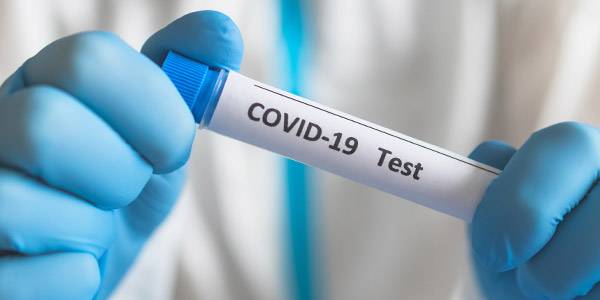
Table of Contents:
What Is COVID-19 and How Does the Virus Affect Your Health?
What Are the Most Common Symptoms of COVID-19?
When Should You Consider Getting a COVID-19 Test?
How Does COVID-19 Testing Help Identify an Active Infection?
What Is the Difference Between a Rapid COVID-19 Test and a PCR Test?
How Soon After Exposure Can a COVID-19 Test Detect the Virus?
Can You Have COVID-19 Without Showing Any Symptoms?
What Should You Do If You Have COVID-19 Symptoms but Test Negative?
Can COVID-19 Testing Help Distinguish COVID-19 From the Flu?
How Accurate Are Rapid COVID-19 Antigen Tests?
Can a COVID-19 Test Be Negative Even When You Have the Infection?
Who Is at a Higher Risk of Developing Severe COVID-19?
When Should You Seek Medical Attention for COVID-19 Symptoms?
Where Can You Get COVID-19 Testing in Kernersville, NC?
Medical References
COVID-19 is a contagious respiratory illness caused by the SARS-CoV-2 virus. It can affect the upper and lower respiratory system, including the nose, throat, and lungs. Some people experience mild symptoms similar to a common cold, while others develop more serious complications that require medical attention.
The virus spreads mainly through respiratory particles released when an infected person breathes, talks, coughs, or sneezes. These particles can reach people nearby, especially in indoor spaces with limited ventilation.
COVID-19 can affect people differently depending on their age, medical history, immune system, and other risk factors. Some individuals develop symptoms, while others may have an infection without noticeable signs of illness. At Kernersville Primary Care, we provide COVID-19 testing to help patients understand their infection status and make informed decisions about their health. Our primary care services also allow patients to discuss other health concerns that may affect their risk of complications.
COVID-19 symptoms can range from mild to severe and may resemble those of influenza, a common cold, or other respiratory infections. Common symptoms include:
• Fever or chills
• Cough
• Sore throat
• Runny or stuffy nose
• Fatigue or unusual tiredness
• Headaches
• Muscle or body aches
• Shortness of breath
• Nausea, vomiting, or diarrhea
• New loss of taste or smell
• Not everyone experiences the same symptoms. Some people may develop only a sore throat or congestion, while others experience several symptoms at once.
Because COVID-19 shares symptoms with other respiratory illnesses, recognizing symptoms alone cannot confirm an infection. Testing can help determine whether SARS-CoV-2 is responsible for your illness.
If symptoms develop, our team can help you understand when testing and a medical evaluation may be appropriate.
COVID-19 testing can help identify an active infection and guide decisions about medical care and reducing exposure to others.
You should consider getting tested when:
• You develop symptoms commonly associated with COVID-19.
• You have been in close contact with someone who tested positive.
• You need to understand whether your symptoms could be caused by COVID-19.
• You are preparing to spend time with someone at increased risk of severe illness.
•A healthcare professional recommends testing based on your symptoms or medical history.
• You are in a healthcare or other setting where testing is recommended.
If you have symptoms, you can generally take an antigen test right away. However, a negative result does not always rule out an infection. Follow-up testing may be necessary.
If you have been exposed but do not have symptoms, the FDA recommends waiting at least five full days after exposure before using an at-home antigen test. Kernersville Primary Care provides COVID-19 testing in Kernersville, NC. Contact our office to discuss your symptoms, exposure history, and available testing options.
COVID-19 testing looks for evidence of SARS-CoV-2 in a collected sample, usually from the nose or another approved specimen source. The two main types of diagnostic tests are antigen tests and molecular tests, including polymerase chain reaction (PCR) testing.
Antigen tests detect specific proteins from the virus. They generally provide results faster but may not detect an infection when the amount of virus in the sample is low.
Molecular tests identify the virus’s genetic material. These tests are generally more sensitive and may detect an infection that an antigen test misses.
At Kernersville Primary Care, COVID-19 testing is part of our primary care services. Our clinical team can consider your symptoms, medical history, and testing needs when determining appropriate next steps.
A test result should always be considered alongside your symptoms and exposure history rather than as the only measure of your health.
Rapid antigen tests and PCR tests are both used to identify current COVID-19 infections, but they work differently.
Rapid antigen testing:
• Detects proteins found on the surface of the virus.
• Usually provides results within approximately 15–30 minutes, depending on the test.
• Offers a convenient way to identify many active infections.
• May produce a false-negative result, particularly early in an infection.
PCR testing:
• Detects genetic material from the SARS-CoV-2 virus.
• Is generally more sensitive than antigen testing.
• Can identify infections that may not be detected by a rapid antigen test.
• May require laboratory processing, although some molecular tests provide faster results.
Kernersville Primary Care’s existing COVID-19 testing information identifies both PCR and rapid antigen testing as available options. The appropriate test depends on your symptoms, exposure history, clinical circumstances, and current testing availability.
A COVID-19 test may not detect an infection immediately after exposure. The virus needs time to multiply to a level that the test can identify. If you have symptoms, the FDA recommends taking an antigen test promptly. If the result is negative, repeat testing after 48 hours is recommended.
If you have no symptoms following an exposure, wait at least five full days after the exposure before taking an at-home antigen test. If that test is negative, repeat it according to FDA guidance. The timing of testing matters because testing too early can result in a negative result even when an infection is developing.
If you develop symptoms after an initial negative test, do not assume COVID-19 has been ruled out. Contact a healthcare professional to discuss whether repeat antigen testing or a molecular test is appropriate.
Yes. Some people become infected with SARS-CoV-2 without developing noticeable symptoms. This is known as an asymptomatic infection. Even without symptoms, an infected person may transmit the virus to others. This is one reason testing and appropriate precautions can be important after certain exposures.
People without symptoms may consider testing when they have been exposed to someone with COVID-19 or before spending time with someone who has a higher risk of severe illness.
However, testing immediately after exposure may not provide a reliable answer. At-home antigen testing should follow the recommended waiting period and repeat-testing instructions. If you have concerns about a possible exposure, our team at Kernersville Primary Care can help you understand your testing options.
A negative COVID-19 test does not always mean you are free of infection. This is especially important with rapid antigen tests, which are less sensitive than molecular tests.
If you have symptoms but receive a negative antigen result:
• Repeat the antigen test after 48 hours.
• Consider a molecular test if your symptoms continue or clinical circumstances warrant it.
• Limit close contact with others while you are sick.
• Follow precautions that help reduce the spread of respiratory illnesses.
• Contact a healthcare professional if symptoms persist or worsen.
• Other illnesses, including influenza and respiratory syncytial virus (RSV), can cause similar symptoms.
At Kernersville Primary Care, our team can review your symptoms and medical history to help determine whether additional testing or an acute sick visit may be appropriate.
COVID-19 and influenza are separate respiratory infections caused by different viruses. However, they share many symptoms, including fever, cough, fatigue, sore throat, headaches, and muscle aches.
Symptoms alone cannot reliably distinguish between the two illnesses.
A COVID-19 test can identify whether SARS-CoV-2 is present, while an influenza test checks for influenza viruses. Some combination tests can detect multiple respiratory viruses using one collected sample.
Knowing which infection you have may help a healthcare professional determine appropriate treatment and precautions.
Kernersville Primary Care offers COVID-19 testing and acute sick visits as part of its primary care services. Patients experiencing flu-like symptoms can contact the office to discuss evaluation and available testing options. Do not assume that a negative COVID-19 test means you have the flu. Other respiratory illnesses may also cause similar symptoms.
Rapid antigen tests are useful for detecting many active COVID-19 infections, but they are not as sensitive as molecular tests.
A positive result is generally reliable, while a negative result may not completely rule out an infection.
The accuracy of an antigen test can depend on several factors, including:
• How long it has been since symptoms began.
• The amount of virus present in the sample.
• How the sample was collected.
• Whether the test was performed according to its instructions.
• The specific test being used.
For this reason, the FDA recommends repeat testing after a negative antigen result. People with symptoms should generally take at least two antigen tests over three days, with 48 hours between tests. People without symptoms should take at least three tests over five days, also spaced 48 hours apart. A molecular test may be appropriate when a more sensitive testing method is needed.
Yes. A false-negative result occurs when a test does not detect an infection that is actually present. This can happen when testing takes place too early, when the viral level is low, or when the sample does not contain enough material for the test to identify the virus.
Rapid antigen tests are more likely to miss an infection than molecular tests, especially during the early stages of illness. If you have symptoms or a known exposure but receive a negative result, consider the following:
• Repeat an antigen test after 48 hours.
• Discuss molecular testing with a healthcare professional if concerns continue.
• Take precautions to avoid exposing others while you are sick.
• Seek medical guidance if your symptoms become more serious.
Our team can help patients understand why a negative result may not provide a complete answer and whether additional evaluation is needed.
Although anyone can develop COVID-19, certain individuals have a greater risk of becoming seriously ill.
Higher-risk groups include:
• Older adults, particularly those aged 65 and above.
• People with weakened immune systems.
• Individuals with chronic lung or heart conditions.
• People with diabetes or certain metabolic conditions.
• Individuals with chronic kidney disease.
• People with obesity.
• Those with multiple underlying health conditions.
• Risk can increase with age and the presence of more than one medical condition.
Patients with these risk factors should contact a healthcare professional promptly if they develop COVID-19 symptoms or receive a positive test result. Some treatments must begin within a limited period after symptoms start.
Kernersville Primary Care offers family practice, internal medicine, and chronic care management services that can support discussions about ongoing health conditions and respiratory illness concerns.
Many people experience mild COVID-19 symptoms, but some develop complications that require medical evaluation.
Contact a healthcare professional if you experience:
• A fever that persists or returns.
• A cough that is getting worse.
• Ongoing fatigue that interferes with daily activities.
• Symptoms that are not improving.
• Difficulty managing your usual daily activities.
• Worsening symptoms if you have an underlying health condition.
Some people may benefit from early medical treatment, particularly those at higher risk of severe illness.
Seek emergency medical attention immediately if you experience warning signs such as:
• Persistent chest pain or pressure.
• New confusion.
• Inability to stay awake or difficulty waking.
• Pale, gray, or blue-colored skin, lips, or nail beds, depending on skin tone.
• Trouble breathing.
Call 911 for a medical emergency rather than waiting for a routine appointment.
Can I Get a COVID-19 Test at Kernersville Primary Care?
Yes. Kernersville Primary Care offers COVID-19 testing in Kernersville, NC. Contact our office to confirm availability and schedule an appointment.
Do I Need an Appointment for COVID-19 Testing?
Contact Kernersville Primary Care to confirm appointment requirements and available testing times before visiting.
Can I Get Tested for COVID-19 Without Symptoms?
Yes. Testing may be appropriate after an exposure or before certain interactions with high-risk individuals. Follow recommended testing timelines.
Does a Negative Rapid COVID-19 Test Mean I Am Not Infected?
Not necessarily. A negative antigen result does not rule out infection. Repeat testing after 48 hours is recommended.
Where Is Kernersville Primary Care Located?
Kernersville Primary Care is located at 420 West Mountain St., Kernersville, NC 27284.
If you are experiencing possible COVID-19 symptoms or need testing following an exposure, Kernersville Primary Care offers COVID-19 testing in Kernersville, NC.
Our team can help you understand the available testing options, discuss your symptoms, and explain what to consider after receiving your results.
Kernersville Primary Care is located at: 420 West Mountain St. Kernersville, NC 27284.
For more information, contact us or schedule an appointment online. to discuss your testing needs.
We are conveniently located at . We serve patients from Kernersville NC, Colfax NC, Walkertown NC, Oak Ridge NC, Wallburg NC, Belews Creek NC, Winston-Salem NC, and surrounding areas.
Check Out Our 5 Star Reviews

Additional Services We Offer


- Family Practice
- Internal Medicine
- Weight Loss Management
- Opioid Use Disorder Treatment
- Telehealth Visits
- Full Laboratory Services
- Covid Testing
- Women’s Health
- Sports and Camp Physicals
- Same Day Appointments
- Acute Sick Visits
- Preventive Health Screenings
- Chronic Care Management
- Annual Physicals
- Pre-employment Physicals
- School Physicals
- Wegovy
- Zepbound


 Send Text
 How May I Help You?